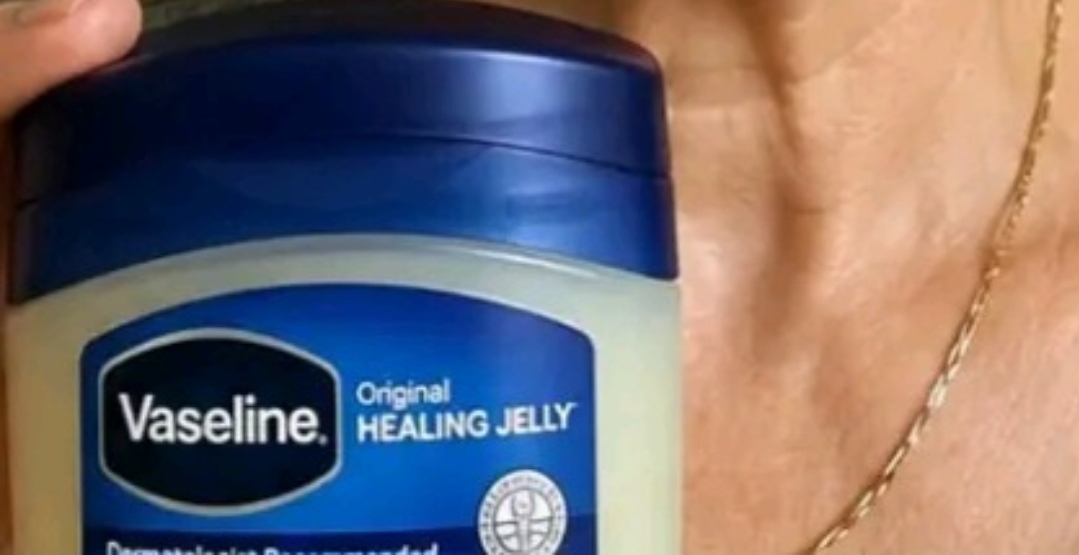
Why those deep lines look worse than they areBy the time wrinkles look carved in, the problem is often not just the line itself. It is the dry, brittle terrain around it, like a cracked sidewalk where every fissure looks deeper after a hot summer.Skin that loses water turns stiff, then collapses into folds every time you smile, squint, or sleep on one side. By morning, the mirror can look like it has aged you overnight.Vaseline acts like a protective raincoat over that fragile surface. It traps the moisture already in the skin so the outer layer doesn’t keep bleeding it away to the air.The first thing people notice is not a miracle face lift. It is that the skin looks less paper-thin, less rough, less like it is begging for a drink.The cellular flush your face has been starving forThink of the skin barrier like a roof with missing shingles. Every gap lets precious moisture escape, and once that happens, the whole structure starts to sag.Vaseline closes that roof. It does not add water on its own, but it traps the raw biological fuel already present so the skin can stop collapsing into itself.That is why a face can look calmer, plumper, and less etched after the barrier is sealed properly. The surface stops catching on every wrinkle the way a dry glove catches on a splinter.The $100-billion beauty machine barely whispers about this because there is no flashy patent in a plain jar of petroleum jelly. You can’t slap a luxury logo on a drugstore staple and charge a fortune for it.And that is why so many people keep paying for complicated jars while the cheapest fix sits in the bathroom cabinet.Why women notice the shift in a different wayWomen often see it first around the mouth, cheeks, and under-eye area, where fine lines turn sharp when the skin dries out. Those zones can go from soft to brittle in a single day of wind, heat, or indoor air that sucks the life out of the face.Picture getting ready in the morning and noticing your makeup is catching on every tiny crease. The skin looks tired before the day even starts, and no amount of rubbing makes it behave.Vaseline changes the surface tension of that skin. It acts like a seal over a cracked ceramic bowl, keeping the finish intact so the face reflects light more evenly instead of scattering it across every line.Over time, the pattern gets clearer: less roughness, less flaking, less of that drawn look that makes wrinkles shout louder than they should.Why men feel it in the rough, weather-beaten zonesMen usually notice the damage around the forehead, the sides of the eyes, and the jawline, especially after years of sun, shaving, and dry skin ignored for too long. Those areas can look like worn leather left too close to a furnace.Run a hand across that kind of skin and you feel the drag immediately. It is tight, scratchy, and stubborn, like a glove that has shrunk in the wash.Vaseline quiets that roughness by sealing the surface so the skin can hold onto what it already has. The result is not fake softness. It is a visible reduction in the harsh, crumpled look that makes lines stand out like scratches on glass.Once the barrier stops leaking, the face stops broadcasting stress.The 3-minute reset people keep chasingThe reason this idea spreads so fast is simple: the change is visible. Skin that was dull and dehydrated can look smoother almost immediately because the surface is no longer collapsing under its own dryness.That is the body’s version of inflating a wrinkled balloon. You are not changing the material itself in that instant, but you are changing the shape it holds in the light.And that is the hidden trick behind the claim. The face looks younger when the skin barrier is supported, not when it is stripped, scrubbed, and left exposed.Vaseline does the opposite of what harsh routines do. It locks things in, calms the chaos at the surface, and gives tired skin a chance to stop looking exhausted.The ugly contrast nobody wants to talk aboutWithout that seal, dry skin keeps losing moisture every hour it sits in air conditioning, wind, or heat. The result is a face that looks more lined by noon than it did at sunrise.That is the ugly contrast: one side of the battle is skin that stays protected and full-looking, the other is skin that keeps deflating like a tire with a slow leak.Most people keep chasing stronger actives, harsher exfoliation, or expensive creams layered on top of a broken barrier. That is like painting over a rusted door and pretending the hinges are fine.The one thing that wrecks the whole effectSlathering it onto dirty, damp, product-caked skin can smother everything underneath and turn the routine into a mess. The barrier needs a clean surface first, or you trap the wrong stuff in with the right stuff.That is the part most people miss: the seal is only as good as what it locks in. Pair it with the wrong layer underneath, and you block the very result you were chasing.There is a tiny timing detail that changes how this works, and it has everything to do with what goes on the skin before the seal ever touches it.This article is for informational purposes only and does not replace professional medical advice. Please consult your healthcare provider for personalized guidance.
Vaseline Triggers a Skin-Smoothing Surge That Makes Deep Wrinkles Look Softer Fast