
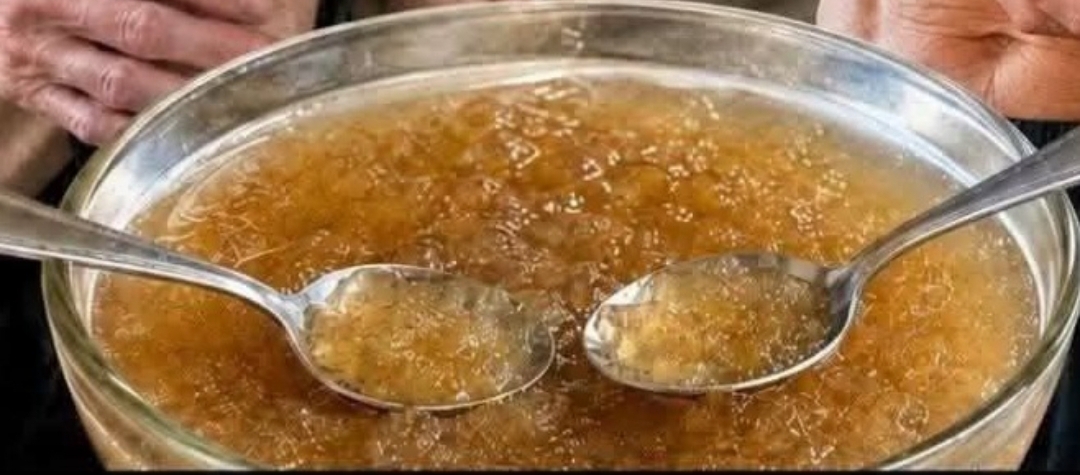
There is something comforting about starting the morning with a warm, familiar ritual.
For generations, people in different cultures have turned to simple kitchen ingredients and traditional herbs as part of their everyday routines. These practices were rarely complicated. A small amount of a fragrant spice, a warm drink, or a spoonful of a homemade mixture could become part of a person’s morning ritual.
One of the reasons these old traditions continue to attract attention is their simplicity.
You do not need a complicated routine to create a few quiet minutes for yourself before the day begins. Sometimes, preparing something warm and aromatic in the kitchen can become a small moment of comfort before work, errands, family responsibilities, or simply getting on with the day.
Why Morning Rituals Matter
Mornings can feel very different from one person to another.
Some people wake up feeling ready to move immediately. Others prefer to take their time, stretch, drink something warm, and gradually ease into the day.
That is where a simple morning ritual can be enjoyable.
Instead of rushing directly into coffee, screens, messages, and responsibilities, you can create a few minutes dedicated to yourself. Preparing a traditional herbal mixture can become part of that routine.
The appeal is not necessarily about finding a magical ingredient. It is about creating consistency.
A familiar routine can make the beginning of the day feel calmer and more intentional.
The Tradition Behind Warming Herbs
Many traditional cuisines use strongly flavored spices and herbs because of their aroma, warmth, and distinctive taste.
Some are naturally pungent. Others have earthy, sweet, peppery, or slightly bitter notes. When combined with ingredients such as honey, lemon, warm water, or other foods, they can create a flavorful preparation that feels especially appealing during cooler mornings.
Traditional herbal practices have often described certain spices as “warming.” This language comes from traditional use and culinary experience rather than from a guarantee of a particular health outcome.
That distinction is important.
A traditional preparation can be interesting and enjoyable without needing exaggerated promises about what it can do inside the body.
A Spoonful Can Become a Daily Ritual
The popular idea of taking a couple of spoonfuls in the morning is appealing because it is easy to remember.
But there is nothing magical about a specific number such as two tablespoons.
The appropriate amount depends on the ingredients, the recipe, personal preferences, and how concentrated the preparation is. Some mixtures may be intended to be eaten in very small quantities, while others are better diluted into a drink or incorporated into food.
This is why it is better to think of a homemade herbal mixture as a food or traditional preparation rather than a guaranteed solution for a health problem.
The goal can simply be to enjoy the flavor and make the preparation part of a pleasant morning routine.
Making the Experience More Enjoyable
If you decide to experiment with a traditional herbal spoonful, preparation matters.
Use fresh, good-quality ingredients and keep the mixture clean and properly stored. Strong spices can easily dominate a recipe, so balancing them with naturally complementary flavors can make the experience much more enjoyable.
Honey can add sweetness.
Lemon can provide brightness.
Warm water can soften strong flavors.
A small amount of another familiar kitchen ingredient can create a smoother overall taste.
The best combination is usually the one you actually enjoy and can comfortably include as part of your normal eating habits.
What About Bones, Joints, and Nerves?
This is where online posts often become misleading.
You may see dramatic claims suggesting that a particular spoonful can “reach” painful bones, calm nerves, rebuild joints, or completely transform the way someone moves.
Those statements go far beyond what a simple food or traditional herbal preparation can reliably promise.
Joint discomfort, nerve symptoms, stiffness, and changes in mobility can have many different causes. A single kitchen mixture should not be presented as a treatment for these conditions.
If you experience persistent or severe pain, numbness, weakness, swelling, or changes that interfere with everyday activities, it is important to speak with a qualified healthcare professional rather than relying on an internet recipe.
That does not mean traditional foods and herbs have no place in everyday life. It simply means they should be presented honestly.
The Bigger Value of a Morning Routine
Perhaps the most interesting part of this tradition is not the spoon itself.
It is the ritual surrounding it.
Wake up.
Drink some water.
Prepare something simple.
Take a few minutes before the day becomes busy.
Eat a balanced breakfast.
Move your body comfortably.
Get enough rest.
These small habits can work together to create a more organized and enjoyable lifestyle.
There is no need to turn one ingredient into a miracle.
Sometimes the most sustainable approach is simply to appreciate traditional foods for what they are while building healthier routines around them.
A Simple Way to Enjoy the Tradition
If you have a favorite herbal or spice-based preparation, consider making a small batch and keeping it properly stored according to the ingredients used.
Start with a modest serving rather than assuming that more is better. Pay attention to the flavor and how well it fits into your normal routine.
And remember that natural does not automatically mean suitable for everyone. Herbs and concentrated ingredients can interact with medications or may not be appropriate for certain people.
If you take regular medication, are pregnant or breastfeeding, or have a medical condition, check with a healthcare professional before regularly consuming concentrated herbal preparations.
Final Thoughts
The fascination with the “morning spoonful” is easy to understand.
People love simple traditions. They love ingredients that have been used in kitchens for generations. And they love the idea of beginning the day with something small, warm, and familiar.
But the strongest story is not that one spoonful can magically repair the body.
The stronger story is about returning to simple routines, appreciating traditional ingredients, preparing food thoughtfully, and giving yourself a few quiet minutes each morning.
A spoonful can be part of that ritual.
It does not need to be a miracle to be meaningful.