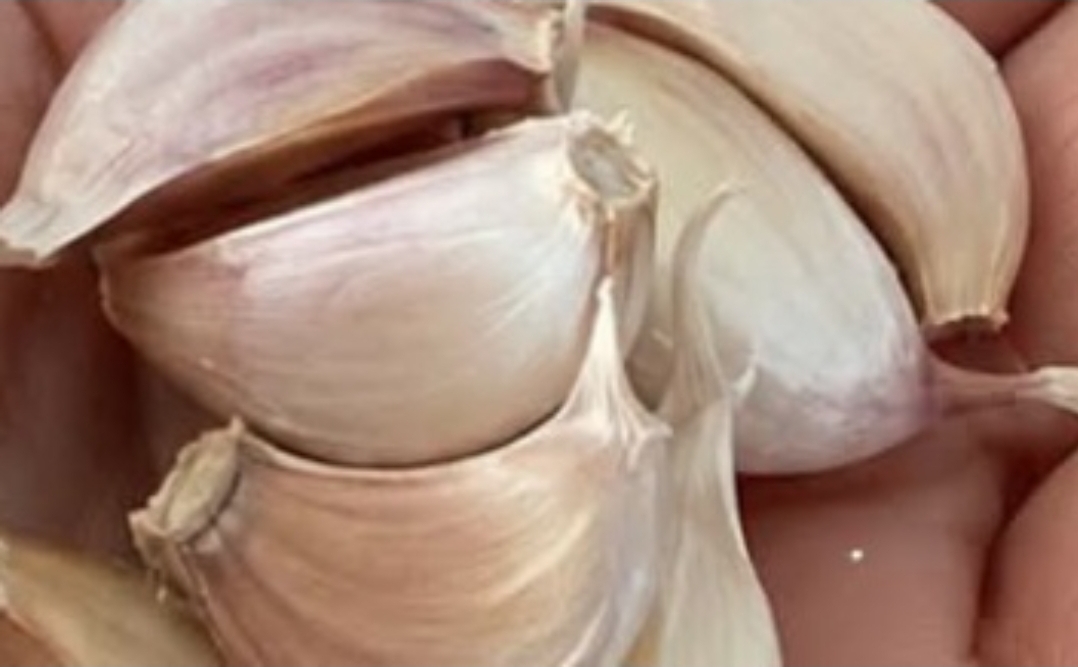
But that’s only the surface story. Underneath, garlic is doing something far more interesting, and the way most people use it destroys the very force they’re trying to get…The Cellular Spark That Changes EverythingFresh garlic is a tiny biochemical factory. When you smash or mince it, you break open the cells and let alliin meet alliinase, which creates allicin — the compound that gives garlic its bite and its power.Think of it like cracking open a capsule of raw ammunition. Whole garlic sits there quiet and sealed. Crush it, and the payload is released into your food, then into your body, where it begins pushing back against the internal burn that ages tissue from the inside out.This is why garlic hits so hard in the longevity conversation. It doesn’t just “support” health in some vague brochure sense. It helps blunt inflammatory signals, protects blood vessel function, and keeps circulation from turning sluggish and sticky.That’s the hidden mechanism behind the post’s promise. Aging is not just wrinkles and gray hair. It is rust in the pipes, smoke in the engine, grit in the gears.And garlic is one of the few kitchen ingredients that attacks all three at once.Here’s the part most people miss: heat, timing, and prep decide whether garlic becomes a weapon or a wasted clove. Cook it wrong, and you scorch the active compounds before they ever get a chance to work.That’s why the old-world cooks who knew what they were doing crushed garlic first, let it sit, then used it with intention. Not because they had lab coats. Because they noticed results. And nobody built a billion-dollar campaign around a humble bulb that costs pennies and works in silence…Why Your Blood Vessels Feel the Shift FirstWhen blood vessels get stiff, everything downstream starts complaining. The heart has to push harder. The brain gets less clean delivery. Even your hands and feet can feel colder, slower, more disconnected.Garlic helps keep those vessels more flexible, like oiling a hinge that’s been grinding for years. The first thing people notice is not some cinematic miracle. It’s smaller: less heaviness after meals, less of that clogged, overfull feeling, more ease when the body has to move blood under pressure.That’s recognition for a lot of people. You feel “off,” but nothing dramatic enough to scare you. Just enough stiffness, enough sluggishness, enough fog to make you wonder why your body feels like it’s dragging a weighted chain.The angry part? We were sold the idea that the answer had to be complicated, expensive, or packaged in a shiny bottle. Meanwhile, one crushed clove sitting in a pan has been doing the work for centuries.Garlic’s sulfur compounds act like microscopic cleanup crews, helping reduce the inflammatory debris that gums up circulation. It’s a full internal rinse, not a gentle suggestion.And once blood flow starts moving cleaner, the body stops fighting itself quite so hard. That’s when the shift becomes obvious — but there’s another place the change shows up even faster…The Second Place You Feel It: The Gut and the BurnInflammation doesn’t live in one room. It spreads. Your gut, especially, can turn into a noisy furnace when the wrong foods keep feeding the fire.Garlic contains compounds that help feed beneficial microbes while making life harder for the troublemakers. It’s like opening the windows in a stale kitchen and finally letting the smoke clear.That matters because the gut is the forgotten second brain in your belly. When it’s inflamed, you can feel it as bloating, heaviness, unpredictable digestion, and that vague internal irritation that makes you want to unbutton your waistband halfway through the day.When garlic is used correctly, it helps shift the terrain. The body gets less of the inflammatory chatter, and the gut ecosystem gets a cleaner environment to work in. After a while, meals don’t land like bricks.The after-picture is simple: you eat, and your body doesn’t immediately protest. You move through the day with less pressure, less internal static, less of that swollen, trapped feeling that makes aging seem inevitable.That’s the relief part. Not fantasy. Not hype. Just one food pulling the emergency brake on the very processes that make people feel old before their time.And there’s a reason this never gets the same spotlight as flashy supplements. Garlic doesn’t need a celebrity endorsement. It just needs to be used the right way — and that’s where the whole thing can go sideways…The One Kitchen Habit That Wrecks the BenefitThe biggest mistake is throwing garlic into hot oil too early and burning it into bitter, brown flakes. The smell turns sharp and harsh, and the beneficial compounds get hammered before they can do their job.That’s not garlic working. That’s garlic getting executed.Crush it first. Let it rest for a few minutes. Then add it with timing, so the active chemistry has a chance to form before the heat starts stripping it bare. Raw garlic in dressings, lightly warmed garlic in food, or garlic added near the end of cooking keeps more of the force intact.If you want the most out of it, pair it with olive oil, vegetables, eggs, or a protein-rich meal. The flavor blooms, the aroma opens up, and the body gets the full package instead of a scorched shadow of it.That tiny change turns a kitchen staple into a daily anti-inflammatory tool. And the next thing people notice is not just less irritation — it’s a different kind of energy, the kind that comes from a body that isn’t constantly fighting a fire it never asked for.One clove. One crush. One small ritual that can change the chemistry of the entire meal.P.S. The real sabotage is pairing garlic with the wrong heat at the wrong moment. If you want the strongest effect, the timing of when it hits the pan matters more than most people ever realize — and the next ingredient changes everything again.This article is for informational purposes only and does not replace professional medical advice. Please consult your healthcare provider for personalized guidance.
Do This Garlic Trick to Crush Inflammation and Slow Aging