
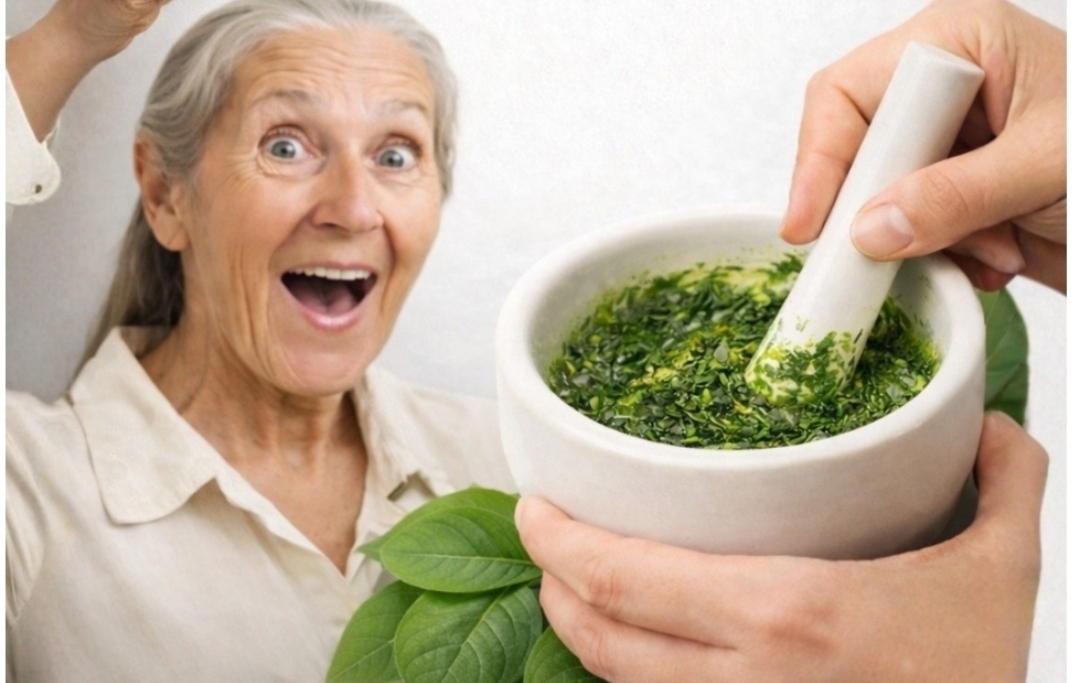
The Powerful Leaf People Are Talking About — What the Research Really Says
When health tips go viral online, it’s easy to get swept up in bold claims — especially those that say a simple plant can “destroy cancer.” On social media, posts sometimes mention a mysterious leaf with incredible benefits, even suggesting that mainstream medicine won’t tell you about it.
But what’s true, and what’s rumor?
Here’s a clear, evidence-based look at what science actually knows about one tropical plant leaf often discussed in wellness circles: Graviola (soursop) leaf.
🌿 What Is Graviola (Soursop)?
Graviola — also known as soursop — is a tropical tree native to Central and South America and parts of the Caribbean. Its fruit is widely consumed for its sweet, tangy flavor.
Beyond the fruit, the leaves have been used traditionally in herbal practices, often brewed into teas and tonics for general wellness.
Traditional use doesn’t equal medical proof — but it explains why this plant has drawn interest for generations.
🧠 What the Research Actually Says
Some online posts suggest there’s a “leaf that destroys cancer” and that doctors are hiding it. These headlines are attention-grabbing — but they are not supported by credible scientific evidence.
🔬 What Laboratory Studies Show
Researchers have studied compounds in graviola leaves — particularly natural substances called acetogenins — in laboratory settings.
Here’s the key distinction:
- Test-tube (in vitro) studies are not the same as human treatments.
Cells in a lab dish behave very differently from cells in the human body. - There are no high-quality clinical trials showing that graviola leaf cures or treats cancer in humans.
- Major medical organizations do not recommend it as a cancer therapy.
Some health agencies have also raised safety concerns about heavy or long-term consumption, as certain compounds in the plant have been linked in observational research to possible nerve-related toxicity when consumed in large amounts.
In short: promising lab findings are not proof of a cure.
🌱 Potential Wellness Properties (Used Responsibly)
While it’s not a cancer treatment, graviola leaf may offer some general wellness properties when used cautiously:
✔ Antioxidant Activity
The leaves contain compounds that may help neutralize free radicals, which contribute to oxidative stress.
✔ Anti-Inflammatory Potential
Some preliminary research suggests certain plant compounds may support a balanced inflammatory response.
✔ Traditional Digestive Support
In folk medicine, graviola leaf tea has been used to ease mild digestive discomfort.
These are general wellness effects, not medical treatments — and they should never replace standard medical care.
🚫 Why Caution Matters
Cancer is a complex group of diseases requiring evidence-based diagnosis and treatment. Treatments like surgery, chemotherapy, radiation, immunotherapy, and targeted therapies have undergone rigorous clinical testing.
Claims that a single plant “destroys cancer” can be dangerous because they may:
- Delay proper treatment
- Create false hope
- Encourage people to abandon effective therapies
Reliable treatment decisions should always involve qualified healthcare professionals.
🫖 If You Choose to Use It
If you’re curious about graviola leaf tea as a general herbal beverage:
- Choose high-quality, pesticide-free sources.
- Use moderate amounts (traditionally 1–2 cups of mild tea daily).
- Avoid long-term heavy use.
- Consult your doctor if you:
- Have neurological conditions
- Are pregnant or breastfeeding
- Take blood pressure or diabetes medications
- Are undergoing cancer treatment
Herbal products can interact with medications and may not be safe for everyone.
🔍 Final Takeaway
There is no scientific evidence that a single “magic leaf” cures cancer.
Graviola leaf contains interesting plant compounds and may support general wellness when used responsibly — but it is not a proven cancer treatment.