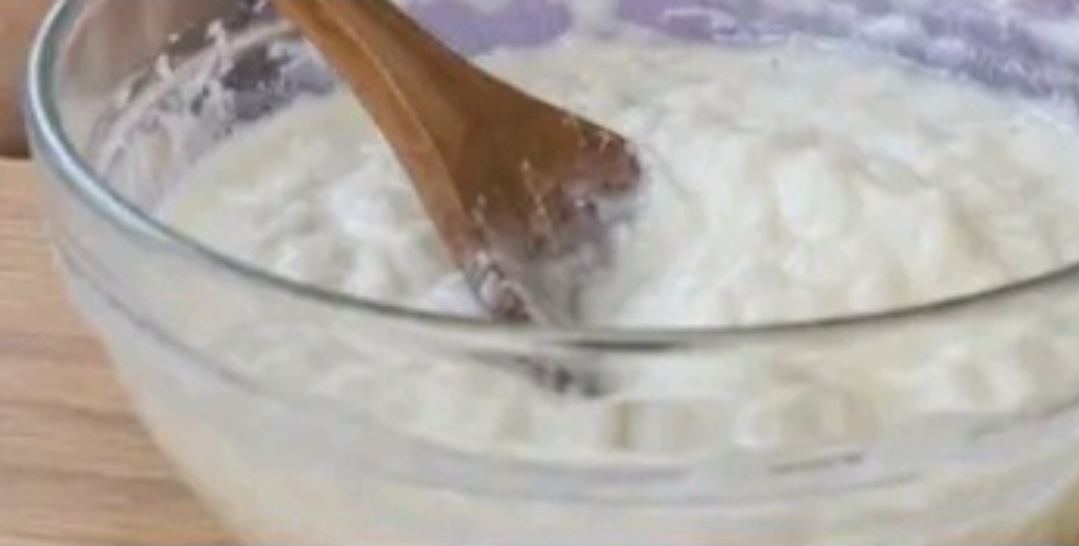
Why Hands Age Faster Than the FaceHands live outdoors. They drive, garden, wash dishes, and sit on the steering wheel in daylight. Sunscreen goes on the face. It almost never goes back on after every hand wash.Dermatologists often call the backs of the hands a “second face.” Studies of aging skin show that this area loses fat and collagen earlier than many people expect, so veins and tendons stand out and the surface looks like crepe paper. Cleveland Clinic clinicians note that frequent hot-water washing also strips the thin oil layer that keeps hand skin flexible.The result is a three-part look: dry texture, fine wrinkles, and flat brown marks. Those marks are usually solar lentigines — age spots from years of ultraviolet light — not dirt and not “liver spots” in the medical sense.Here is the part most people miss. The face gets cream twice a day. The hands get soap.What Those Dark Spots and Creases Really AreAge spots form when melanin builds up after repeated sun exposure. They sit on the surface and just under it. They are usually harmless. They still read as age the second someone looks down at your hands.Wrinkles on the hands are different from smile lines. There is little fat under the skin to begin with. When collagen and elastin weaken, the skin collapses into fine folds instead of bouncing back.Research on lactic acid, an alpha hydroxy acid found in fermented milk products, shows it can loosen the bonds between dead surface cells and, in laboratory work, help slow the enzyme tyrosinase that drives extra pigment. That is why yogurt and buttermilk keep showing up in old kitchen routines for dull, spotted skin.That does not mean a bowl of cream erases decades of sun in eight hours. Hydration can make skin look smoother by morning. Fading a dark patch takes repeated, gentle turnover plus sun protection.But that is not the whole story.The Kitchen Ingredients People Keep MixingThe white cream in those viral photos is almost always a yogurt base. Plain, unsweetened yogurt carries natural lactic acid. Honey holds water on the skin. A small amount of lemon juice adds vitamin C, which is widely studied for brightening the look of uneven tone.Use lemon with care. Citrus can sting broken skin and make the area more sensitive to daylight. If you use it at night, sunscreen on the hands the next day is not optional.A simple comparisonApproach What it mainly does Realistic timeline Watch-outsYogurt + honey night cream Softens, gently exfoliates, hydrates Skin can feel smoother after one night; spots fade slowly with weeks of use Must patch-test; refrigerate leftoversStore brightening cream Often uses stable vitamin C, niacinamide, or retinoids Weeks to months Cost; some formulas irritateDaily SPF 30+ on hands Stops new spots from deepening Immediate protection, visible benefit over months Must reapply after washingDermatologist treatments Peels, lasers, prescription topicals Faster change on stubborn spots Cost and downtimeThe truth is, the homemade mix is a comfort routine and a gentle surface treatment. It is not a substitute for medical care if a spot is growing, bleeding, or changing shape.And this is where it gets interesting.How to Mix the Popular Overnight Hand CreamThis is the blend that matches what most of those kitchen photos actually show: a thick white cream, not a watery mask.You will need:2 tablespoons plain unsweetened yogurt (Greek yogurt holds better)1 teaspoon raw honey1/2 teaspoon fresh lemon juice, or skip lemon if your skin is reactiveOptional: the oil from 1 vitamin E capsule, or a pinch of finely ground oats for extra slipSteps:Wash a small glass bowl and a spoon. Metal is fine; wood is what people use in the photos.Stir yogurt and honey until the mix looks like soft cream.Add lemon last. Stir again. The texture should stay thick enough to sit on the skin without running.Do a patch test on the inner wrist or the side of one finger. Wait 15 minutes. If it burns or turns red, rinse and do not use lemon next time.At night, wash hands with lukewarm water. Pat dry. Leave them slightly damp.Massage a thin layer onto the backs of both hands, paying attention to the spotted patches and the thin skin over the knuckles.Leave it on 15 to 20 minutes if you want a mask, or leave a very thin film on overnight if your skin is not sensitive.Rinse with cool water if you used it as a mask. If you left a film on, blot extra cream in the morning and apply sunscreen.Make a fresh batch every two to three days. Keep it in the fridge in a covered jar. Dairy spoils.Do not put this on cracked skin, eczema flares, or open cuts. Do not use it as an excuse to skip sunscreen. Lemon plus sun is a common way to get a burn or a darker mark, which is the opposite of the goal.What Actually Changes How Hands LookOne night of cream can make dry hands feel softer because water is sitting in the outer layer. That is why people wake up and think the spots “look lighter.” Plump skin reflects light differently. The pigment is still there.If you want a real shift in how those spots and creases look, stack four habits:Put broad-spectrum SPF 30 or higher on the backs of the hands every morning, and again after you wash.Use the kitchen cream at night two to four times a week, not ten times a day.Wear driving gloves or keep a stick of sunscreen in the car. Windshield glass does not block all UVA.Switch to a gentle hand wash and a plain moisturizer after every soap session.Studies and clinic advice line up on this point: ultraviolet light is the main driver of solar lentigines and crepey texture on the hands. A night cream without daytime protection is a loop that never closes.Here is the quiet rule. The cream is the treat. The sunscreen is the work.When a Kitchen Cream Is Not EnoughSee a dermatologist if a brown mark has an irregular border, changes color, itches, bleeds, or rises above the skin. Age spots are common. Skin cancers can also appear on sun-exposed hands.Prescription retinoids, professional chemical peels, and in-office procedures can fade established spots faster than yogurt. That is not a sales pitch. It is the honest ceiling of a kitchen routine.If your hands are painfully dry, split, or raw from sanitizer, repair the barrier first with a bland ointment. Acidic mixes on a broken barrier will sting and can darken marks.A Short Night Routine You Can KeepWash. Pat. Cream. Sleep. Sunscreen.That is the whole loop. The open secret is not a rare herb. It is doing the same small thing on the one body part you wash twenty times a day and almost never protect.If you only remember one line from this page, remember this: softer hands by morning come from water and a gentler surface. Lighter-looking spots come from weeks of that plus shade.FAQCan a homemade yogurt cream remove dark spots from my hands in one night?It can make dry, dull skin look smoother by morning because it hydrates and lightly loosens dead surface cells. Established age spots sit deeper than that. Expect slow fading with regular use, not an overnight erase.Is lemon safe in a hand cream?A small amount at night is a common kitchen trick, but citrus increases sun sensitivity. Skip it if your skin stings. Always use sunscreen on the hands the next day. Never apply lemon to cracked skin.Why do my hands look older than my face?The skin is thinner, has less fat, gets more sun, and gets washed constantly. Face products rarely make it onto the hands. That combination shows wrinkles and brown spots earlier.This article is for general information only. It is not medical advice, a diagnosis, or a treatment plan. Homemade skincare can irritate some people. Talk with a licensed clinician before using new products on damaged skin, and seek care for any changing, bleeding, or unusual spots.
This Simple Kitchen Cream Softens Hand Wrinkles and Fades Dark Age Spots Overnight