
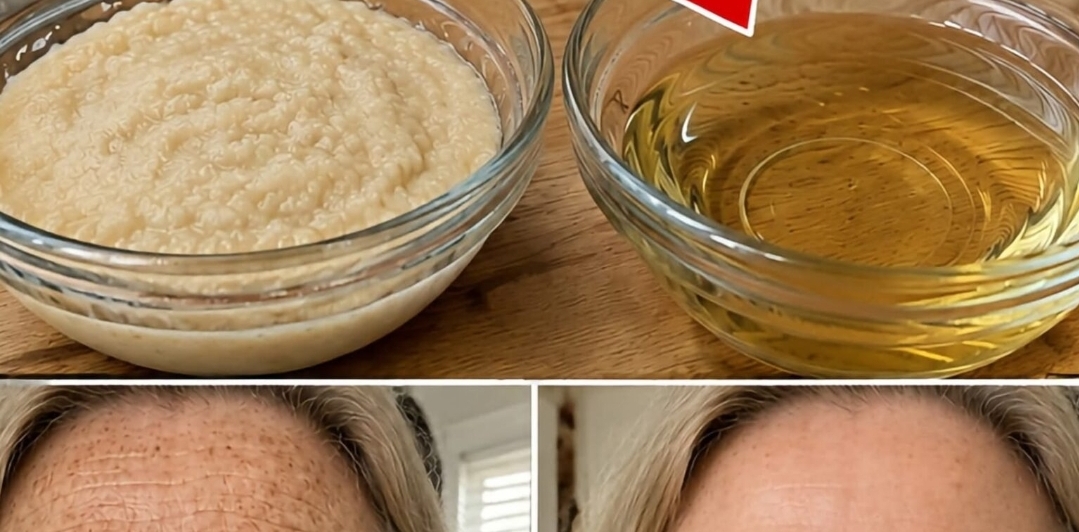
Sagging skin can feel like it happens overnight, even though it usually builds slowly over time. One day your face looks a little less lifted, your jawline seems softer, and makeup does not sit the same way anymore. That change can be frustrating, especially when you are already doing “all the right things” and still noticing a tired, less firm appearance. The good news is that skin often responds well to simple, consistent care that supports hydration and barrier health. And there is one surprisingly easy nightly routine that may help your skin look smoother, plumper, and more refreshed than you expect—if you know how to use it correctly.
Why Sagging Skin Becomes More Noticeable Over Time
Skin firmness depends on a strong internal support structure. That support comes from collagen, a natural protein that helps skin stay resilient and springy. As we age, collagen production gradually slows, and the skin can start to look thinner, drier, and less supported.
But collagen loss is only part of the story. Sun exposure, pollution, stress, poor sleep, and dehydration can all make the skin look more tired and less elastic. In other words, the issue is not just “aging.” It is also daily wear and tear.
The important part is this: when skin is well hydrated and the barrier is protected, it often looks fuller and healthier very quickly.
The Nightly Routine That Supports a Firmer Look
Many people overlook the power of a simple nighttime application. The skin naturally goes into repair mode overnight, which makes evening skincare especially useful. A routine that combines hydration with barrier-supporting ingredients can help the face look less dry and less deflated by morning.
Research has shown that ingredients such as aloe, vitamin C, and certain plant oils can support moisture retention and help protect the skin from oxidative stress. That does not mean they “reverse aging.” But they can support the skin’s natural repair process and improve the appearance of firmness over time.
Here is the basic idea: hydrate the skin, support the barrier, and avoid irritating it with too many products at once. Simple often works better than complicated.
How to Use the Aloe and Oil Method Correctly
One of the easiest at-home options is a blend of pure aloe vera gel and a small amount of a gentle facial oil, such as rosehip seed oil. Aloe helps deliver moisture, while the oil helps seal it in and reduce water loss from the skin surface.
Use only a small amount. More product does not mean better results. In fact, too much oil can leave the skin greasy without improving hydration.
Step-by-Step Night Routine
1. Cleanse gently with a mild, non-foaming cleanser. Avoid harsh scrubs and very hot water, since both can strip the skin barrier.
2. Pat the face dry, leaving it slightly damp if your skin tends to feel dry.
3. Mix about two parts pure aloe vera gel with one part rosehip seed oil or another gentle, fragrance-free facial oil.
4. Apply a thin layer to the face and neck using upward strokes. Focus on the cheeks, jawline, and areas that feel dry or less firm.
5. Massage lightly for 60 to 90 seconds. Keep the pressure gentle. Tugging or pulling the skin is not helpful.
6. Let it absorb for several minutes before applying any additional moisturizer, if needed.
7. Repeat nightly for best consistency, especially during the first two weeks.
Why This Kind of Routine Can Help the Skin Look Better
Sagging often looks worse when skin is dry. That is because dehydration can make the face appear flatter and more tired. When the skin is better hydrated, light reflects more evenly and the surface can look smoother and more refreshed.
There is also a barrier effect. A healthy skin barrier helps reduce moisture loss and protects the skin from environmental stress. According to research on topical hydration and antioxidant support, skin that is better protected often shows improved texture and a more supple appearance.
Here is the part many people miss: the goal is not to force the skin to “snap back” instantly. The goal is to create a better environment so the skin can look and function at its best.
What the Evidence Suggests
Studies on topical vitamin C show it may support collagen-related activity and help improve the look of firmness and brightness. Research on aloe suggests it can help moisturize the skin and support barrier comfort. Small studies on rosehip oil have also suggested benefits for skin texture and fine lines.
That said, results vary. Age, genetics, sun exposure, and skin type all matter. Home skincare can support the appearance of firmness, but it is not the same as a medical procedure.
Still, for many people, this is exactly what makes it appealing: it is simple, affordable, and low risk when used properly.
Other Habits That Make a Big Difference
Topical care works best when your daily habits also support skin health. This is where many people see the biggest long-term payoff.
Helpful daily habits
– Eat enough protein, since the body needs amino acids to build collagen.
– Include vitamin C-rich foods such as oranges, kiwi, bell peppers, and broccoli.
– Sleep 7 to 8 hours when possible, because skin repair is closely tied to rest.
– Wear broad-spectrum SPF 30 or higher every morning.
– Avoid smoking and limit alcohol, both of which can accelerate visible skin aging.
These habits may sound basic, but they are powerful. In fact, studies consistently show that sun protection is one of the most effective ways to reduce collagen breakdown over time.
A Simple Comparison of Common Options
If you are trying to decide what makes sense for your skin, this quick comparison can help.
| Approach | Main Benefit | Typical Timeline | Best For |
|---|---|---|---|
| Aloe + facial oil | Hydration and barrier support | Days to 2 weeks | Dry, tired-looking skin |
| Vitamin C serum | Antioxidant support and brightness | 4 to 8 weeks | Dullness and early loss of firmness |
| Retinoid products | Stronger skin renewal support | 8 to 12 weeks | More visible texture concerns |
| Professional treatments | Deeper skin stimulation | Varies | More advanced laxity |
This table is not about choosing the “best” option for everyone. It is about choosing the right starting point for your skin, budget, and comfort level.
Common Mistakes That Can Hold You Back
Even a good routine can underperform if a few simple mistakes get in the way. The good news is that these are easy to fix.
First, do not apply products to very dirty skin. Clean skin helps ingredients sit more evenly on the surface. Second, do not overdo the oil. A heavy layer can feel rich but still fail to hydrate properly. Third, do not skip sunscreen in the morning. Without SPF, any progress can be undone by UV exposure.
And perhaps most importantly, do not expect dramatic results in two nights. Skin changes are gradual. Consistency matters much more than intensity.
Actionable Tips You Can Start Tonight
If you want to keep this simple, start here:
1. Cleanse gently before bed.
2. Apply a thin aloe-and-oil blend to slightly damp skin.
3. Massage lightly without pulling the skin.
4. Use the routine consistently for at least 2 to 4 weeks.
5. Wear sunscreen every morning.
If your skin is sensitive, patch test first on a small area such as the inner arm. If redness, itching, or stinging appears, stop and switch to a simpler product.
Here is the real secret: the best routine is the one you can repeat. Skin responds to steady care, not occasional extremes.
What Results People Often Notice First
Many people notice softer skin texture before they notice any visible lifting effect. That makes sense, because hydration changes can show up quickly, while deeper support takes longer.
Common early improvements may include:
– Less dryness
– A smoother surface feel
– A more refreshed look in the morning
– Slightly plumper-looking cheeks
Visible firmness changes usually take longer and depend on your starting point. But even subtle improvements can make the face look more rested and balanced.
Conclusion
Sagging skin is often the result of many small factors adding up over time: slower collagen production, dehydration, sun exposure, and daily stress on the skin barrier. While no home routine can stop aging, a simple nightly application that combines aloe and a gentle facial oil may help skin look more hydrated, smoother, and more supported.
The key is consistency. Pair your nighttime routine with sunscreen, good sleep, and healthy daily habits, and you give your skin a much better chance to look its best.
FAQ
How long does it take to see results?
Some people notice better hydration within a few days. More visible improvements in texture and firmness usually take several weeks of regular use.
Can I use this if I have sensitive skin?
Yes, but patch testing is important. Start with a small amount and use fragrance-free, gentle ingredients. If irritation appears, reduce frequency or stop use.
Do I still need sunscreen if I use this at night?
Yes. Sunscreen is essential in the morning because UV exposure is one of the biggest reasons collagen breaks down over time.
Disclaimer: This article is for informational purposes only and is not medical advice. Results vary from person to person. Please consult a qualified healthcare professional or dermatologist before starting any new skincare routine, especially if you have sensitive skin or an existing skin condition.