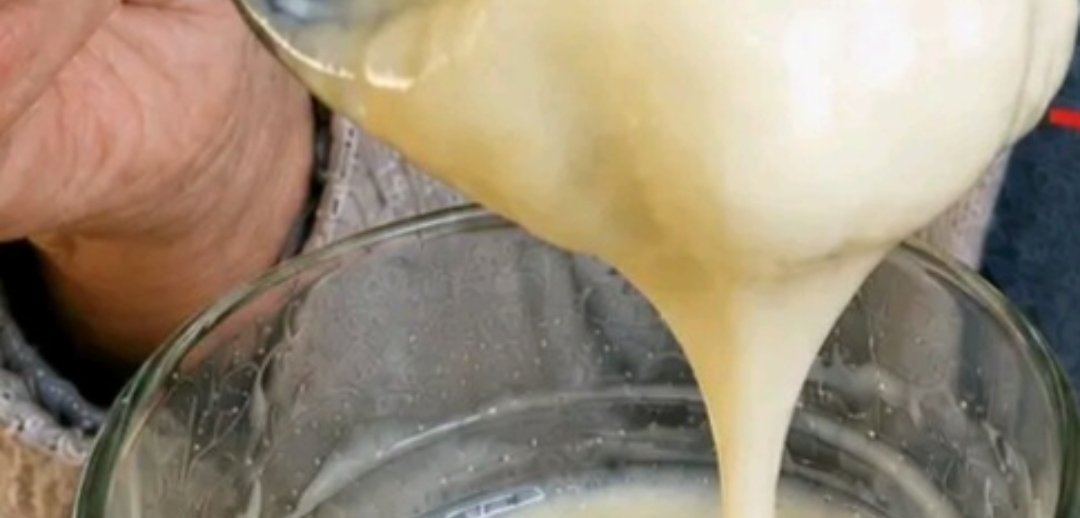
What the beauty industry loves to hide is that skin does not need more noise. It needs raw biological fuel that forces the surface to look alive again.Why the face starts folding in the first placeThink of your skin like a mattress with a thin top sheet stretched over it. When the stuffing underneath dries out and thins, the sheet doesn’t just wrinkle — it caves.That is what happens when the skin loses the compounds that keep it plump, flexible, and resistant to creasing. Every expression, every pillow mark, every hour in dry air leaves a deeper imprint.The first thing people notice is not a dramatic transformation. It’s that the face stops looking crumpled by default — the morning crease on the cheek doesn’t stay all day, and the skin catches light instead of swallowing it.That shift matters because light is what makes skin look young. Flat, dull, dehydrated skin eats light. Supple skin throws it back.Why women notice it in a different wayFor women, the betrayal often shows up in the lower half of the face first: the lines around the mouth, the soft sag near the jaw, the tired look that arrives even after a full night in bed. It feels like the skin has quietly loosened its grip.Picture the bathroom mirror at 7 a.m. The face is clean, but it still looks tired, as if the skin never fully woke up. Makeup settles into grooves. Foundation makes the lines louder instead of hiding them.This is where a nightly cream can hit hard, because it acts like a moisture lock and a surface repair crew at the same time. It floods thirsty cells with vital moisture, then lays down a smoother finish so the face stops looking etched.The supplement industry would go bankrupt if people knew how much difference a cheap, consistent topical reset can make when the skin barrier is the real problem.Why the under-eye area gives the game awayThe under-eyes are the first place to snitch. They are thin, delicate, and quick to show every loss of volume, every dehydration wave, every late-night stress hit.It’s like a paper-thin window covering in a room with bright sunlight behind it. The moment the material weakens, everything shows through.When a cream brings in molecular brooms and fire-smothering compounds, that fragile area stops looking parched and shadowed. The skin doesn’t just feel less tight — it starts behaving less brittle.After a few nights of consistency, the face can look less like it was pressed flat under a pillow and more like it still has spring in the fabric.That is the payoff people chase when they see “wrinkles melt” in a post. They are not really chasing a number. They are chasing the return of bounce.The hidden mechanism nobody puts in the captionCall it the Overnight Skin Reset. That is what this kind of cream is trying to do: flood the surface, trap moisture, and calm the tiny breakdowns that keep carving lines deeper every day.Skin ages like a cracked driveway. At first, it’s just a few hairline breaks. Then water gets in, the cracks widen, and the damage spreads faster every season.A strong night cream works like sealant poured into the cracks before the cold can split them wider. It does not erase a lifetime in one swipe. It changes the conditions that keep making the face look older.The $100-billion wellness machine barely whispers about simple nightly rituals because there’s no patent hiding in a basic skincare routine. There’s no Super Bowl ad waiting for a jar that just does its job.But the body responds to repetition. The first change is texture. Then glow. Then the face stops broadcasting fatigue before you even speak.What the mirror starts showing nextOnce the skin barrier stops leaking like a busted roof, the whole face changes character. Makeup sits cleaner. Fine lines stop screaming under bathroom lighting. The cheeks look less deflated.That is why people get obsessed with the “after” picture. Not because they want perfection, but because they want the face to stop looking like it has been through a storm.Think of it like ironing a shirt that has been stuffed in a drawer for years. The wrinkles don’t vanish because you wished harder. They soften because the fabric finally gets the right combination of heat, moisture, and pressure.Once the skin starts holding onto moisture instead of bleeding it away, the change is visible in the way the light lands on the cheeks, the way the jawline reads cleaner, and the way the face looks less exhausted by default.Why the wrong habit kills the whole effectMost people sabotage a cream like this by using it on skin that is still stripped dry, then piling on harsh cleansers, hot water, or aggressive scrubbing right before bed. That’s like pouring water into a bucket with a hole in the bottom.The surface never gets a chance to hold the good stuff.One common nighttime habit neutralizes the whole process before it can start: rubbing on a rich cream after blasting the face with anything that leaves it squeaky, tight, and raw. The barrier is already yelling for help, and then the routine kicks it again.The fix is simple, but it changes everything: treat the skin like a fragile seal, not a dirty pan.And the next layer matters even more than the cream itself — because one pairing turns a decent routine into a face-saving ritual that skin drinks up instead of fighting.This article is for informational purposes only and does not replace professional medical advice. Please consult your healthcare provider for personalized guidance.
Apply This Cream Every Night and Watch Wrinkles Melt